
Erika Davis
Creating an equitable workplace means recognizing that employees may need different resources, opportunities, and forms of support to succeed. While equality focuses on giving everyone the same thing, equity considers the barriers, responsibilities, and experiences that can shape each employee’s workday.
For businesses considering how to promote equity in the workplace, company policies are only one part of the equation. The physical workplace, including offices, shared amenities, a tenant amenity floor such as the one being constructed at the Monroe Building, along with meeting practices, professional development opportunities, communication methods, and workplace culture, can all influence whether employees feel welcomed, supported, and equipped to contribute.
Here are several inclusive workplace practices that can help organizations create a more supportive environment.
What Does Equity in the Workplace Look Like?
Equity in the workplace does not require treating every employee exactly the same. It involves providing fair access to the resources and opportunities people need to perform their jobs and advance professionally.
This may include offering accessible workspaces, creating transparent promotion processes, providing flexibility when possible, and making sure employees have meaningful ways to share feedback.
Building an equitable workplace is an ongoing process. As teams and business needs change, organizations should continue reviewing whether their workplace practices support the people who use the office every day.
Use Inclusive Office Design to Reduce Barriers
The physical environment can play an important role in creating an equitable workplace. Inclusive office design considers how employees with different abilities, working styles, and responsibilities experience the space.
Businesses can review entrances, pathways, elevators, restrooms, conference rooms, workstations, and shared areas for possible accessibility barriers. Adjustable desks, varied seating options, clear signage, and unobstructed pathways can make the office easier to use.
Employees may also benefit from having different types of work areas available. Quiet spaces can support focused work, while conference rooms and collaborative areas give teams places to exchange ideas. Technology that allows remote employees to participate in meetings can also help create a more consistent experience across hybrid teams.
Even small improvements can reduce daily friction. TAWANI’s guide to working smarter in the office offers additional ideas for creating a workspace that supports focus, organization, and productivity.
Make Policies, Meetings, and Opportunities More Inclusive
Workplace equity is also shaped by how decisions are made and how employees are expected to participate.
Organizations can support employees by:
- Offering flexible schedules, hybrid work, or adjusted start times when job responsibilities allow
- Sharing meeting agendas in advance so employees have time to prepare
- Providing written summaries, captions, and accessible documents
- Establishing clear criteria for raises, promotions, and leadership opportunities
- Reviewing who receives mentorship, training, and high-visibility assignments
- Creating confidential and accessible ways for employees to provide feedback
These practices can help ensure that employees are evaluated based on their work and have fair access to the information and opportunities they need to succeed.
Take Specific Steps to Support Different Members of the Workplace Community
Employees may encounter different barriers depending on their experiences, responsibilities, and individual needs. Employers can make equity in the workplace more tangible by taking practical actions that support different members of their teams.
Creating an Inclusive Workplace for Everyone
Building an equitable workplace means creating systems that help all employees succeed while recognizing that some individuals may face unique barriers. Rather than relying on one-size-fits-all solutions, organizations should focus on fair, transparent, and accessible practices that support employees throughout their careers.
Organizations can:
- Use consistent, job-related criteria for hiring, compensation, evaluations, promotions, and work assignments.
- Establish transparent pay practices and regularly review compensation for unexplained disparities.
- Provide equal access to mentorship, leadership development, training, and high-visibility opportunities.
- Create simple, confidential processes for requesting accommodations and reporting discrimination or harassment.
- Ensure workplaces, technology, and communications are accessible to employees with different abilities.
- Encourage multiple avenues for employee feedback, including anonymous options, and use that feedback to improve workplace practices.
Some employees may also have needs that require additional consideration. For example:
- Women and caregivers: Provide appropriate accommodations related to pregnancy, childbirth, and nursing, offer private lactation spaces, and schedule important meetings and networking opportunities during regular working hours whenever possible.
- Veterans and service members: Recognize how military experience translates to civilian skills, avoid assumptions about veterans’ abilities or experiences, and establish clear procedures for military leave, reemployment, and workplace reintegration.
- LGBTQIA+ employees: Include sexual orientation, gender identity, and gender expression in nondiscrimination policies, support the use of chosen names and pronouns where possible, and ensure benefits and leave policies recognize diverse family structures.
- Employees with disabilities: Maintain a confidential accommodation process, provide accessible facilities and digital resources, and ask employees what support they need rather than making assumptions.
- Employees from diverse cultural, religious, racial, ethnic, and socioeconomic backgrounds: Provide reasonable accommodations for religious practices, review workplace policies and events for unintended barriers, and monitor participation in leadership, training, and recognition opportunities to help ensure equitable access.
No single initiative will meet every employee’s needs. The goal is to create fair, transparent processes, remove unnecessary barriers, and foster a workplace where every employee has an opportunity to contribute and succeed.
Consider Location and Transportation Access
An inclusive office environment extends beyond the walls of the workspace. The location of an office can affect how easily employees, clients, and visitors can reach it.
Proximity to public transportation, pedestrian routes, bike storage, parking, restaurants, and other neighborhood amenities can make the workday more manageable for people with different commuting needs.
Businesses evaluating a new location can review TAWANI’s guide to choosing the right Chicago office space for additional considerations related to accessibility, convenience, and the surrounding neighborhood.
Ask Employees What They Need
One of the most direct ways to understand employee needs is to ask.
Anonymous surveys, individual check-ins, employee committees, and small-group conversations can help businesses identify challenges that may not be visible to leadership. Organizations should then communicate what they learned and explain which recommendations can be implemented.
Not every suggestion will be possible, but employees are more likely to provide thoughtful feedback when they understand how decisions are made and see that their input receives serious consideration.
Make Equity an Ongoing Workplace Practice
Creating equity in the workplace is not a single initiative or checklist. It requires organizations to regularly review their policies, physical spaces, communication practices, professional development opportunities, and employee experiences.
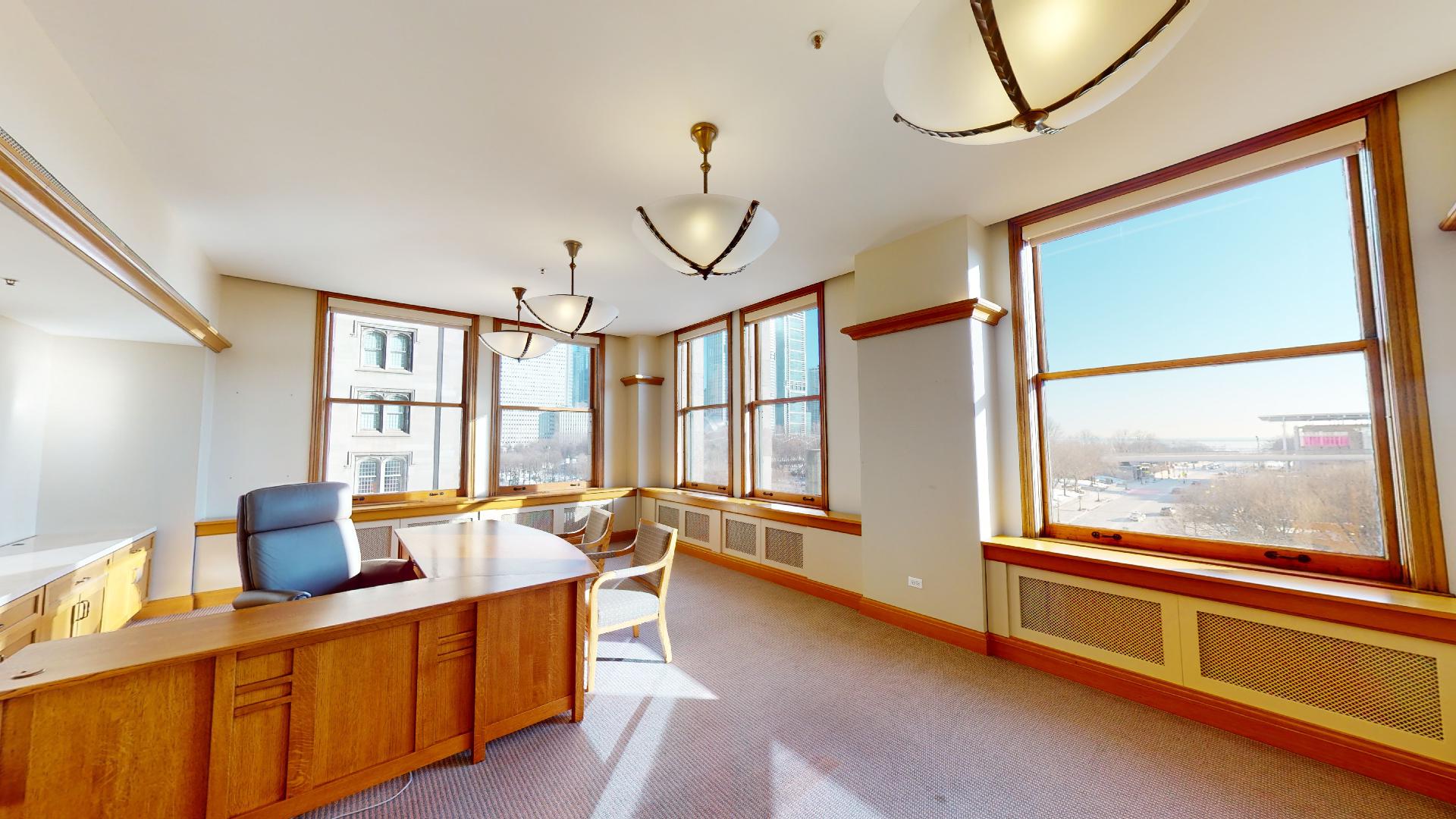
At TAWANI Property Management, we understand that an office is more than a place to complete daily tasks. It is where teams collaborate, professional relationships develop, and ideas take shape. The historic Monroe Building at 104 S. Michigan Avenue combines a premier downtown location with modern office amenities, conference facilities, transportation access, and spaces designed for today’s businesses.
To learn more about available office space and commercial leasing opportunities, contact TAWANI Property Management.